 Ridgeline Dumpster Rental
Dumpster Permit Nashville
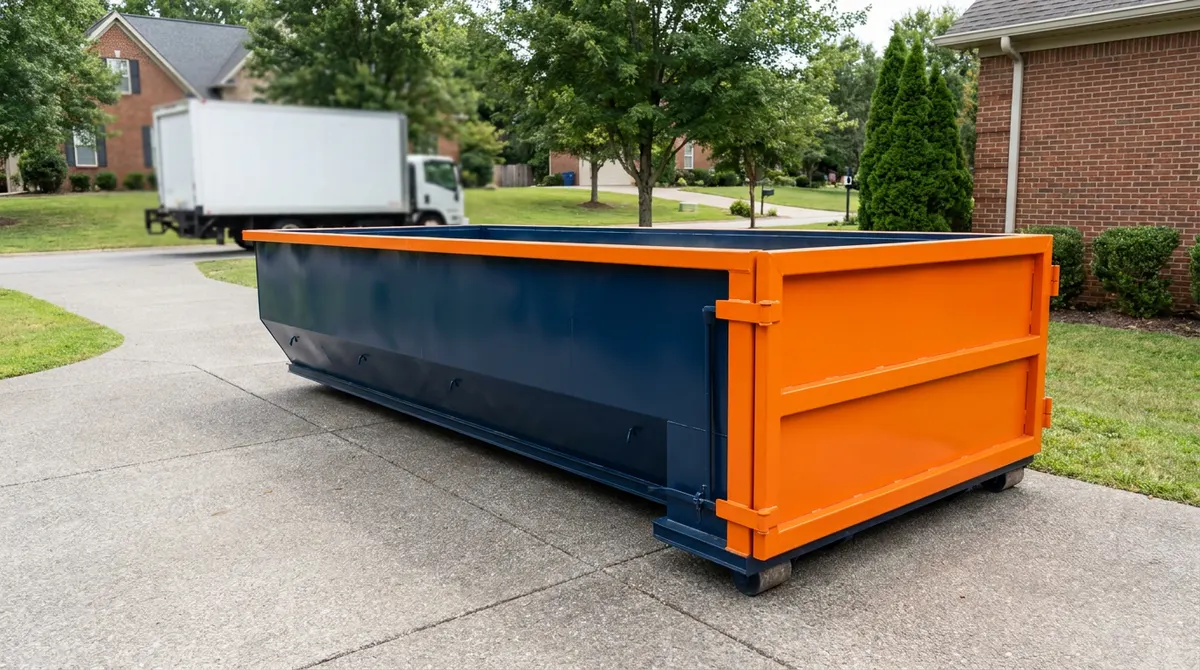
A dumpster permit in Nashville, Tennessee, is often required by Metro Public Works when a roll-off dumpster needs to be placed on public property, such as a street or sidewalk right-of-way, particularly in densely populated areas like The Gulch or historic Germantown, ensuring public safety and traffic flow.
When a Permit Is Required
<p>A dumpster permit in Nashville is necessary when a rented dumpster will occupy any portion of public property, including streets, sidewalks, or alleys. This applies to residential and commercial projects across Davidson County. For instance, homeowners in areas like East Nashville or Sylvan Park, who might not have sufficient driveway space for a 20-yard dumpster during a major renovation, would need to apply for a <a href="https://www.nashville.gov/departments/public-works/permits">right-of-way permit through Metro Public Works</a> if the dumpster extends into the street. Placement entirely on private property, such as a driveway or a construction site within lot lines, typically does not require a permit. However, local conditions vary; properties with limited street frontage, common in historic districts near Edgehill or Berry Hill, often necessitate careful planning for dumpster placement and permit acquisition.</p><p>Construction projects, especially rapid teardown-and-rebuild activity in neighborhoods like 12 South, frequently involve dumpsters on public ways, making permits a standard part of project planning. Even smaller projects, such as a cleanout in a tight alley of Germantown, may require a permit if the dumpster obstructs public access. The goal of these regulations is to maintain safe passage for vehicles and pedestrians, prevent property damage, and manage potential traffic disruptions along key corridors like West End Avenue or Gallatin Pike. Without a permit for street placement, the dumpster faces potential fines or removal by Metro Nashville authorities, impacting project timelines and costs.</p>
How to Apply With Metro Nashville
<p>Applying for a dumpster permit in Nashville involves a specific process through Metro Public Works, designed to ensure compliance with city ordinances. This process typically begins with gathering necessary project details and submitting an application. The Metro Nashville Public Works department manages these permits to regulate obstructions on public rights-of-way.</p><ol><li><strong>Gather Project Information:</strong> Before applying, collect details such as the exact address for dumpster placement, the desired start and end dates for the rental period, the dimensions of the dumpster (e.g., a 10-yard or 15-yard roll-off), and the name of the dumpster rental company.</li><li><strong>Access the Metro Public Works Portal:</strong> Applications are generally submitted online through the Metro Nashville Public Works permit portal. This digital platform streamlines the submission process for right-of-way permits.</li><li><strong>Complete the Application Form:</strong> Fill out the permit application form, providing accurate information about the project type, the specific location, and the duration the dumpster will occupy public space. Specify if the dumpster will be placed on a street, sidewalk, or alley.</li><li><strong>Submit Required Documentation:</strong> The application may require a site plan or drawing indicating the dumpster's placement relative to property lines, traffic flow, and nearby utilities. For placement on streets, details about safety measures like reflective tape or lighting might be requested.</li><li><strong>Pay the Application Fee:</strong> A non-refundable application fee is usually required at the time of submission. The fee structure can vary based on the duration and specific location.</li><li><strong>Await Review and Approval:</strong> Metro Public Works reviews the application for compliance with local regulations, including traffic impact and public safety. This review process can take several business days.</li><li><strong>Post the Permit:</strong> Once approved, the permit must be visibly posted on or near the dumpster at the approved location, allowing city officials to verify its validity during inspections.</li></ol><p>It is crucial to allow sufficient time for the permit application and approval process before the dumpster delivery date, especially for projects with tight deadlines in busy areas like Donelson or Antioch.</p>
Permit Cost and Timeline
<p>The cost and timeline for obtaining a dumpster permit in Nashville are determined by Metro Public Works, varying based on factors like duration and specific public right-of-way usage. These fees contribute to the administration and oversight of public space. The minimum charge for a dumpster rental service in Nashville is typically around $595.</p><table><thead><tr><th>Category</th><th>Details</th><th>Estimated Cost/Timeline</th></tr></thead><tbody><tr><td><strong>Application Fee</strong></td><td>Non-refundable fee for processing the right-of-way permit.</td><td>Typically $25 - $50</td></tr><tr><td><strong>Daily/Weekly Fees</strong></td><td>Charges for occupying public space, often based on the number of days or weeks the dumpster is in place.</td><td>Varies; can be $10 - $25 per day, or a flat weekly rate.</td></tr><tr><td><strong>No-Parking Signage</strong></td><td>Cost for obtaining and posting official 'No Parking' signs if the dumpster occupies metered or restricted parking.</td><td>Often an additional charge, around $5 - $10 per sign.</td></tr><tr><td><strong>Review Period</strong></td><td>Time required for Metro Public Works to process and approve the application.</td><td>3-7 business days, depending on completeness and current workload.</td></tr><tr><td><strong>Permit Duration</strong></td><td>Standard permit length; extensions usually require new application/fees.</td><td>Typically 7-14 days, extendable upon request and additional fees.</td></tr></tbody></table><p>For projects in high-traffic zones, such as near Vanderbilt University or The Parthenon, additional considerations for traffic control or extended review times might apply. Property owners should budget for both the permit fees and potential costs for no-parking signs, which are essential for preventing parking violations around the dumpster site. The overall timeline for permit acquisition should be factored into any project schedule, particularly for time-sensitive renovations in areas like Green Hills or Bellevue.</p>
Placing a Dumpster on Private Property Instead
<p>Opting to place a dumpster entirely on private property in Nashville can often circumvent the need for a Metro Public Works permit, streamlining project logistics. This approach is generally preferred when adequate space is available within the property lines, such as a driveway or a designated construction area. For many homeowners in Nashville, utilizing their driveway for a rented dumpster is the simplest solution. However, certain considerations still apply to private property placement.</p><p>Driveway protection is crucial, especially given Nashville's heavy clay soil and frequent spring rains along the Cumberland River corridor. It is commonly recommended to place plywood sheets under the dumpster's wheels to distribute weight and prevent cracks or indentations on asphalt or concrete surfaces. This is particularly important for larger containers, such as 30-yard dumpsters, which can become very heavy when filled with construction and demolition debris from projects like a roof tear-off. Older homes in East Nashville or Germantown often have narrower driveways, making 10- or 15-yard roll-offs a more practical choice for fitting comfortably without encroaching on public space. For large cleanouts or renovations in areas like Inglewood, ensuring the dumpster can be delivered and picked up without damaging existing landscaping or structures is also a key consideration.</p><p>While a city permit is typically not required for private property placement, some homeowners' associations (HOAs) in planned communities might have their own rules regarding dumpster appearance, placement duration, or approved sizes. Residents should consult their HOA guidelines to avoid potential fines or conflicts. For projects generating significant storm debris after spring storms, private property placement ensures quicker access and less bureaucratic delay compared to waiting for a public right-of-way permit. Ultimately, placing a dumpster on private property offers greater flexibility and control over the rental process.</p>
Need it handled now? See Dumpster Rental in Nashville.