 Ridgeline Dumpster Rental
Dumpster Rental Weight Allowances in Nashville
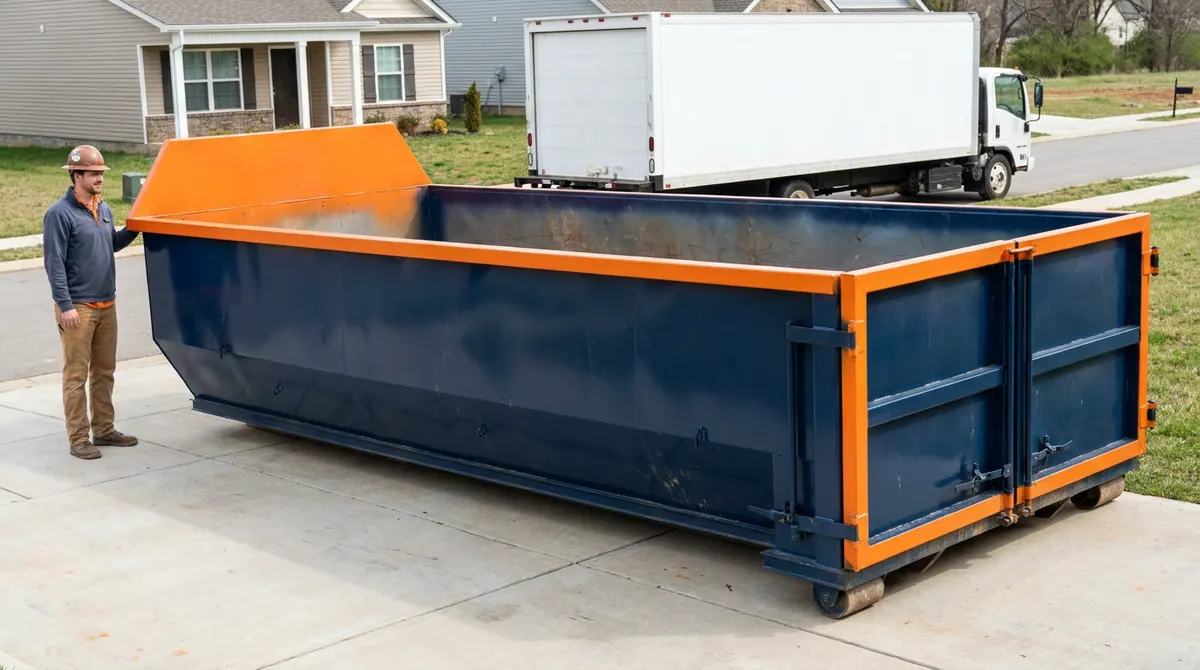
Dumpster rental services in Nashville, TN, typically include a set weight allowance, measured in tons, which varies by dumpster size. This allowance covers the weight of the debris loaded into the container before additional overage fees are applied. Understanding these weight limits is essential for managing project costs, especially for renovations in areas like East Nashville or construction in Bellevue, where material types can significantly impact total tonnage. Local conditions, such as the heavy clay soil common around Radnor Lake State Natural Area, can also influence debris weight if dirt is included.
Weight Allowances by Dumpster Size
<p>Each dumpster size in Nashville includes a specific weight allowance, representing the maximum tonnage of debris permitted before incurring additional charges. This allowance is a primary factor in the rental cost. For projects across Nashville, from residential cleanouts in Sylvan Park to larger construction tasks near Interstate 40, selecting the appropriate dumpster size based on anticipated debris weight helps manage expenses. The following table details common dumpster sizes and their typical included weight allowances:</p><table><thead><tr><th>Dumpster Size</th><th>Included Weight Allowance</th><th>Approximate Equivalent</th></tr></thead><tbody><tr><td>10-Yard Dumpster</td><td>2 Tons</td><td>~4 pickup truck loads</td></tr><tr><td>15-Yard Dumpster</td><td>2.5 Tons</td><td>~6 pickup truck loads</td></tr><tr><td>20-Yard Dumpster</td><td>3 Tons</td><td>~8 pickup truck loads</td></tr><tr><td>30-Yard Dumpster</td><td>4 Tons</td><td>~12 pickup truck loads</td></tr><tr><td>40-Yard Dumpster</td><td>5 Tons</td><td>~16 pickup truck loads</td></tr></tbody></table><p>For example, a small bathroom remodel in Germantown or a garage cleanout in Donelson might fit within the 2-ton limit of a 10-yard dumpster. Larger projects, such as a roof tear-off for a home near Briley Parkway, typically require a 20-yard or 30-yard dumpster to accommodate the heavier volume of materials like shingles and wood.</p>
What Overage Fees Cost per Ton
<p>When the weight of debris in a rented dumpster exceeds the included allowance, an overage fee is applied for each additional ton. This per-ton charge is a standard industry practice across Nashville, ensuring that the costs associated with landfill disposal and transportation are covered. The exact overage fee can vary, but it's a critical component of understanding the total cost of a dumpster rental. Customers receive a landfill scale ticket as proof of the final weight. The following outlines typical overage charges:</p><table><thead><tr><th>Description</th><th>Cost per Ton</th></tr></thead><tbody><tr><td>Standard Overage Fee</td><td>$75 - $100 per ton</td></tr><tr><td>Minimum Charge (applies if total is below this)</td><td>$595</td></tr></tbody></table><p>For instance, if a 20-yard dumpster with a 3-ton allowance is used for a renovation in The Gulch and the final debris weight is 4.5 tons, the customer would be charged for 1.5 tons of overage. This fee is added to the initial rental cost. Understanding this structure helps prevent unexpected charges, especially when dealing with dense materials from projects like concrete removal or landscaping debris. Transparent pricing models often communicate these potential fees upfront, allowing for better budget planning for projects across Nashville's diverse neighborhoods, including Green Hills and Antioch. For more detailed information on local waste management guidelines, resources like the <a href="https://www.nashville.gov/departments/water-and-sewer/waste-and-recycling">Metro Nashville Public Works</a> website can be helpful.</p>
How to Estimate Your Debris Weight
<p>Accurately estimating debris weight helps in selecting the correct dumpster size and avoiding overage fees. While an exact calculation can be challenging, several methods provide a reasonable approximation for projects in Nashville. Consider the type and volume of materials. For example, a cubic yard of construction debris might weigh differently than a cubic yard of household junk. The density of materials like concrete or dirt is significantly higher than wood or drywall. For projects like a cleanout around Vanderbilt University or a small remodel in Berry Hill, visual estimation combined with typical material weights can guide decisions. Here’s a basic approach to estimating debris weight:</p><ol><li><strong>Identify Material Types:</strong> List all the primary materials you plan to dispose of (e.g., wood, drywall, concrete, roofing shingles, household items).</li><li><strong>Estimate Volume:</strong> For each material type, estimate its volume in cubic yards or by comparing it to common household items (e.g., 'half a pickup truck bed of concrete').</li><li><strong>Use Average Densities:</strong> Apply average weight densities for common materials. For example, a cubic yard of general construction debris might weigh 500-1,000 lbs, while a cubic yard of concrete can weigh over 2,000 lbs.</li><li><strong>Calculate Total:</strong> Sum the estimated weights for all materials to get a preliminary total.</li></ol><p>Consider a remodeling project in East Nashville involving old plaster, wood, and a small amount of tile. Plaster and tile are dense. For a general household cleanout, items like furniture, boxes, and miscellaneous junk tend to be lighter. For larger projects, or those involving heavy materials such as asphalt or brick, it is often safer to round up on the weight estimate or choose a dumpster with a slightly higher allowance to minimize the risk of overage fees. Local conditions, such as frequent spring storms along the Cumberland River corridor, can lead to wet debris like saturated wood or leaves, which significantly increases weight. For further guidance on waste classification, the <a href="https://www.epa.gov/hw/learn-about-hazardous-waste">U.S. Environmental Protection Agency (EPA)</a> provides resources on waste streams.</p>
Heavy Materials That Hit Limits Fast
<p>Certain materials are particularly dense and can quickly push a dumpster over its included weight allowance, leading to higher costs. These materials are common in various construction, demolition, and landscaping projects across Nashville. Recognizing them helps in planning and budgeting for dumpster rentals, especially for jobs in older neighborhoods like Germantown or new developments in Antioch. Concrete, dirt, and roofing shingles are primary examples of heavy materials.</p><ul><li><strong>Concrete:</strong> This includes broken driveways, patios, and foundations. A single cubic yard of concrete can weigh over 2 tons (4,000 lbs). Disposing of a small concrete slab from a backyard project in Sylvan Park can quickly consume a 10-yard dumpster's entire 2-ton allowance.</li><li><strong>Dirt and Soil:</strong> Excavated dirt, especially the heavy clay soil common around areas like Radnor Lake State Natural Area, is dense. A cubic yard of soil can weigh between 2,000 and 3,000 lbs, depending on moisture content. Large landscaping projects or grading work can generate substantial amounts of heavy dirt, making a 30-yard or 40-yard dumpster potentially necessary, even if it's not completely full.</li><li><strong>Roofing Shingles:</strong> Asphalt shingles, common on homes across Nashville, accumulate weight rapidly. A typical single-layer roof tear-off for a 1,500 sq ft home can generate 3-4 tons of shingles alone. For a larger home in Green Hills, this tonnage can increase significantly, often requiring a 20-yard or 30-yard dumpster for proper disposal. The <a href="https://www.nrca.net/">National Roofing Contractors Association (NRCA)</a> offers industry standards for material estimates.</li><li><strong>Brick and Masonry:</strong> Similar to concrete, bricks and other masonry materials are very heavy. Demolishing a small brick wall or patio can easily add several tons to a dumpster's load.</li></ul><p>When planning a project that involves these materials, it is often advisable to discuss specific material types with the dumpster rental provider. They can offer guidance on the best dumpster size and any specific considerations for heavy loads. For example, a specialized 'heavy debris' dumpster might be available for concrete-only loads. For projects impacting historic structures, such as those near The Parthenon or Bicentennial Capitol Mall State Park, specific demolition and disposal protocols may apply. For more information on safely handling and disposing of various waste types, resources from the <a href="https://www.osha.gov/">Occupational Safety and Health Administration (OSHA)</a> can be beneficial for jobsite safety.</p>
Need it handled now? See Dumpster Rental in Nashville.