 Ridgeline Dumpster Rental
Dumpster Rental Prohibited Items in Nashville
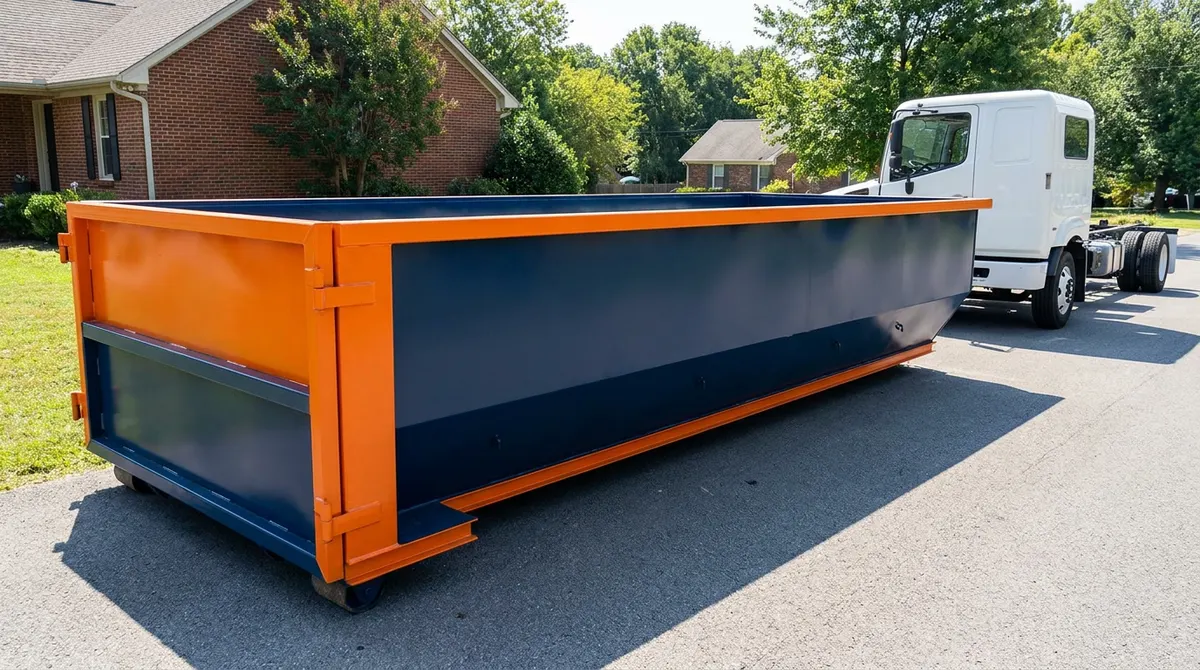
Renting a dumpster in Nashville, TN, facilitates waste removal for various projects, but certain materials are universally prohibited due to environmental regulations, safety concerns, and specialized disposal requirements. These restrictions apply across neighborhoods like East Nashville, Germantown, and Green Hills, ensuring compliance with local Davidson County waste management guidelines and protecting both the environment and waste handlers.
Materials Banned From Every Dumpster
<p>In Nashville, TN, several categories of waste are consistently prohibited from standard dumpster rentals due to their nature. These items require specialized handling or disposal methods to prevent environmental contamination and ensure worker safety. Understanding these restrictions is crucial for anyone undertaking a home cleanout in Sylvan Park or a construction project near Vanderbilt University. The following list details common items that cannot be placed in a rented dumpster:</p><ul><li><strong>Hazardous Waste:</strong> This includes paints, solvents, motor oils, pesticides, and asbestos. These substances pose significant risks to public health and the environment, necessitating specific disposal protocols.</li><li><strong>Tires:</strong> Whole tires are generally not accepted due to their density, difficulty in compaction, and the specialized recycling processes they require.</li><li><strong>Batteries:</strong> Car batteries and household batteries contain corrosive chemicals and heavy metals, making them unsuitable for general landfill disposal.</li><li><strong>Appliances with Freon:</strong> Refrigerators, freezers, and air conditioning units containing Freon or other refrigerants must have these chemicals removed by a certified technician before disposal.</li><li><strong>Electronics (E-waste):</strong> Televisions, computers, monitors, and other electronic devices contain toxic components like lead and mercury. Davidson County has specific e-waste recycling programs.</li><li><strong>Medical Waste:</strong> Syringes, contaminated bandages, and other biohazardous materials are strictly prohibited due to infection risks.</li><li><strong>Asbestos:</strong> This material is a known carcinogen and requires highly regulated removal and disposal by licensed professionals.</li><li><strong>Propane Tanks:</strong> These tanks are pressurized and can explode, posing a severe safety risk if placed in a dumpster.</li><li><strong>Flammable Materials:</strong> Gasoline, kerosene, and other highly combustible liquids are fire hazards and cannot be disposed of in standard dumpsters.</li><li><strong>Paints and Lacquers:</strong> Liquid paints are considered hazardous waste; dried paint may sometimes be accepted, but it is best to confirm with the rental provider.</li><li><strong>Yard Waste (in large quantities):</strong> While some small amounts of yard waste might be acceptable, large volumes of tree stumps, brush, or dirt may be subject to specific restrictions or require a dedicated yard waste dumpster.</li></ul>
How to Dispose of Hazardous Items
<p>Disposing of hazardous items in Nashville requires adherence to specific guidelines established by Metro Nashville Public Works. These regulations are designed to protect the environment and public safety, especially in areas prone to runoff like those near the Cumberland River. For residents in neighborhoods such as Donelson or Antioch, understanding these procedures is essential. Metro Nashville operates a <a href="https://www.nashville.gov/departments/water/hazardous-waste">Household Hazardous Waste (HHW) program</a> that provides free disposal options for common residential hazardous materials. This program accepts items like paint, automotive fluids, pesticides, and household cleaners. The HHW facility is located at 1501 Davidson St, Nashville, TN 37213, with specific operating hours that residents should verify before visiting. Materials must be transported in their original containers or clearly labeled, and quantities may be limited per visit. For businesses, commercial hazardous waste disposal typically involves contracting with a licensed hazardous waste management company that adheres to federal and state regulations. This ensures proper handling, transportation, and disposal of materials that cannot go into a standard dumpster. For asbestos removal, only licensed and certified contractors are permitted to handle and dispose of the material, following strict OSHA guidelines to prevent exposure. These specialists ensure compliance with environmental regulations and worker safety protocols. Preventing these materials from entering landfills protects local waterways and natural areas like Radnor Lake State Natural Area.</p>
Appliances and Electronics Rules
<p>Disposing of appliances and electronics in Nashville, particularly in areas undergoing rapid redevelopment like East Nashville and The Gulch, involves specific rules to manage potentially harmful components. Large appliances, often referred to as 'white goods,' include refrigerators, washers, dryers, and stoves. Appliances containing refrigerants, such as Freon in older refrigerators and air conditioning units, must have the refrigerant professionally removed before disposal. This process prevents the release of ozone-depleting substances into the atmosphere. Many local scrap metal yards in Davidson County accept appliances for recycling once the refrigerants are safely extracted. Electronics, or e-waste, encompass items like televisions, computers, printers, and cell phones. These devices often contain heavy metals and other toxic materials that should not be sent to landfills. Our team provides <a href="https://www.nashville.gov/departments/water/recycling-and-waste/e-waste-and-electronics">e-waste drop-off locations</a> throughout the county, facilitating responsible recycling. Residents can utilize these centers to dispose of their old electronics free of charge. Some retail stores also offer take-back programs for specific types of electronics. For example, local Best Buy stores may accept certain electronics for recycling. Improper disposal of e-waste can lead to soil and water contamination, impacting the ecological health of areas like Shelby Bottoms Greenway.</p>
Where to Take Prohibited Items in Davidson County
<p>For Nashville residents needing to dispose of items not accepted in standard dumpster rentals, our team offers several specialized facilities and programs. This ensures that materials like paint, tires, and electronics are handled responsibly, preventing them from entering landfills and harming the environment. The following table outlines key disposal options:</p><table><thead><tr><th>Item Type</th><th>Disposal Location/Program</th><th>Notes</th></tr></thead><tbody><tr><td>Paint, Solvents, Pesticides, Chemicals</td><td>Metro Nashville Household Hazardous Waste (HHW) Facility</td><td>1501 Davidson St, Nashville, TN 37213. Free for residents. Check operating hours.</td></tr><tr><td>Tires</td><td>Metro Nashville Landfill (for a fee); various tire recycling centers</td><td>Fees apply at the landfill. Some auto repair shops may accept old tires for recycling.</td></tr><tr><td>Batteries (Automotive)</td><td>Auto parts stores (e.g., Advance Auto Parts, AutoZone); some scrap metal yards</td><td>Many stores offer free recycling.</td></tr><tr><td>Batteries (Household)</td><td>Metro Nashville HHW Facility; some retail stores (e.g., Lowe's, Home Depot for rechargeable)</td><td>Specific drop-off points for different battery types.</td></tr><tr><td>Appliances with Freon</td><td>Certified HVAC technicians for Freon removal; then scrap metal yards</td><td>Freon must be removed by a professional prior to recycling.</td></tr><tr><td>Electronics (E-waste)</td><td>Metro Nashville E-Waste Drop-off Centers</td><td>Multiple locations across Davidson County. Free for residents.</td></tr><tr><td>Medical Waste</td><td>Local pharmacies for sharps disposal; specialized medical waste disposal services</td><td>Never place in regular trash or dumpsters.</td></tr><tr><td>Propane Tanks</td><td>Propane exchange locations (e.g., Blue Rhino, AmeriGas); some recycling centers</td><td>Ensure tanks are empty before drop-off.</td></tr><tr><td>Asbestos</td><td>Licensed asbestos abatement contractors</td><td>Requires specialized handling and disposal by certified professionals.</td></tr><tr><td>Large amounts of Dirt/Concrete/Brick</td><td>Construction and demolition (C&D) landfills or specialized recycling facilities</td><td>Requires specific disposal due to weight and volume. Dumpster rentals for these materials are available but usually limited to specific 'heavy debris' bins.</td></tr></tbody></table>
Need it handled now? See Dumpster Rental in Nashville.